Dead End: A Graffiti-Inspired Script Font for Horror and Creativity
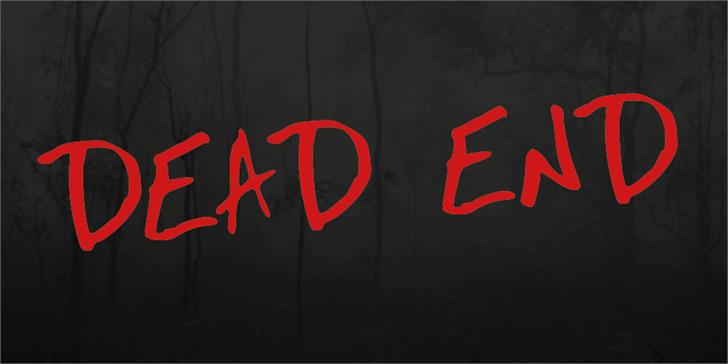
I was deep into a branding project for a local café that wanted to feel edgy, mysterious, and slightly unsettling. The client had a vision of something that felt like it belonged in the margins of a creepy pasta story or the credits of a horror film. That’s when I stumbled upon Dead End, a Script Handwritten font that immediately captured my attention with its raw, graffiti-inspired energy. It wasn’t just another script font—it was a mood, a vibe, and a visual language that screamed horror film TV series.
Dead End for Logo Design and Brand Identity
When I first tested Dead End on a logo draft, I knew it had potential. The font’s jagged, uneven strokes and organic flow gave it an immediate sense of rebellion and danger. It felt like it could have been scrawled on a wall by someone who had just finished watching The Walking Dead and needed to express their existential dread. I used it as the primary typeface for the café’s name, and it worked wonders.
Dead End is best suited for logo design where a strong visual identity is key. Its Script Handwritten nature makes it ideal for creating a brand that feels personal, unpolished, and authentic. I paired it with a bold sans serif for contrast, which helped balance the chaos of the font without overwhelming the viewer. This kind of font pairing is essential when using a display font like Dead End in a professional context.
Dead End for Packaging and Product Labels
Later in the project, I used Dead End on a packaging mockup for a line of artisanal candles. The font’s graffiti twist added a layer of intrigue and darkness that matched the product’s theme—something that felt like it could have been found in the back of a horror movie set. It wasn’t just about aesthetics; it was about storytelling through typography.
Dead End shines in packaging design and product labels where a unique visual identity can make all the difference. Its Fonts are versatile enough to work on both small and large formats, though I noticed that at very small sizes, some of the strokes became too thin and lost clarity. For this reason, I recommend testing Dead End in print and digital formats before committing to a final design.
Dead End for Social Media and Web Design
I also experimented with Dead End in a social media layout for the café. The font’s Script Handwritten style worked beautifully in Instagram posts and Facebook banners, especially when paired with dark backgrounds and high-contrast text. It created a sense of urgency and intensity that aligned perfectly with the brand’s aesthetic.
In web design, Dead End is best used as a headline or accent font rather than body text. Its irregularity and stylized forms make it challenging to read in long passages, but it’s perfect for short phrases, headlines, and call-to-action buttons. When using Dead End online, I always made sure to include a webfont version and checked for cross-browser compatibility to ensure consistency across platforms.
Dead End for Business Cards and Editorial Design
For the business cards, I used Dead End to create a sense of mystery and exclusivity. The font’s Fonts added a layer of authenticity that felt right for a boutique-style café. I paired it with a clean, modern sans serif for the contact information, which helped maintain readability while still keeping the overall design visually engaging.
Dead End is also a great choice for editorial design, especially in contexts that require a more artistic or unconventional approach. Whether it’s a poster, flyer, or magazine layout, the font’s Script Handwritten style can add a unique touch that stands out in a sea of standard fonts.
Dead End for Branding Projects and Commercial Use
One thing I learned early on was that Dead End isn’t a one-size-fits-all solution. While it’s incredibly powerful for certain applications, it might not be the best choice for formal corporate settings or projects that require strict readability. That said, for brands that want to stand out and tell a story, Dead End is a game-changer.
Before using Dead End in any commercial work, I always recommend reviewing the font’s licensing terms. Some Fonts come with restrictions on how they can be used in print-on-demand products, websites, or templates. Checking these details ensures you’re using the font responsibly and legally.
Overall, Dead End is a premium font that brings a fresh, gritty, and unforgettable energy to any design project. Whether you're working on a horror-themed brand, a creative studio identity, or a handmade shop, this Script Handwritten font has the power to elevate your visuals and create a lasting impression.